The Vital Role of Mica in the Mining Industry
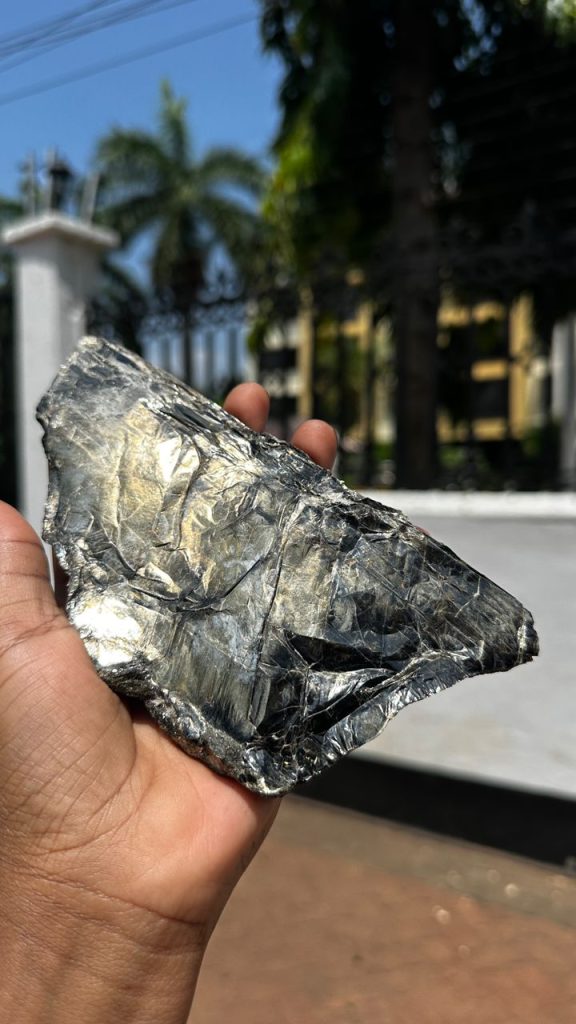
Mica is one of the most versatile and widely used industrial minerals, yet it often goes unnoticed compared to more popular resources such as gold, copper, or lithium. Its unique physical and chemical properties make it a hidden powerhouse in modern technology, construction, and manufacturing. At Baridi Group Ltd, we recognize Mica as an essential mineral not only for today’s industries but also for the sustainable future of global innovation.
The importance of Mica lies in its ability to withstand extreme heat, act as an excellent electrical insulator, and resist weathering. These qualities have made it indispensable in the production of electronic devices, automotive components, household appliances, paints, plastics, and even cosmetics. For example, Mica is used in capacitors and insulators in smartphones and computers, while in construction it provides durability and heat resistance in building materials. Its shimmering quality is also widely appreciated in beauty and cosmetic products across the world.
The global demand for Mica continues to rise as industries shift towards renewable energy and advanced technology. Solar panels, wind turbines, and electric vehicles all depend on materials that can endure high stress and extreme conditions and Mica plays a crucial supporting role in ensuring their efficiency and durability. In this way, Mica is not only driving industrial progress but also supporting the green energy transition, which is vital in the fight against climate change.
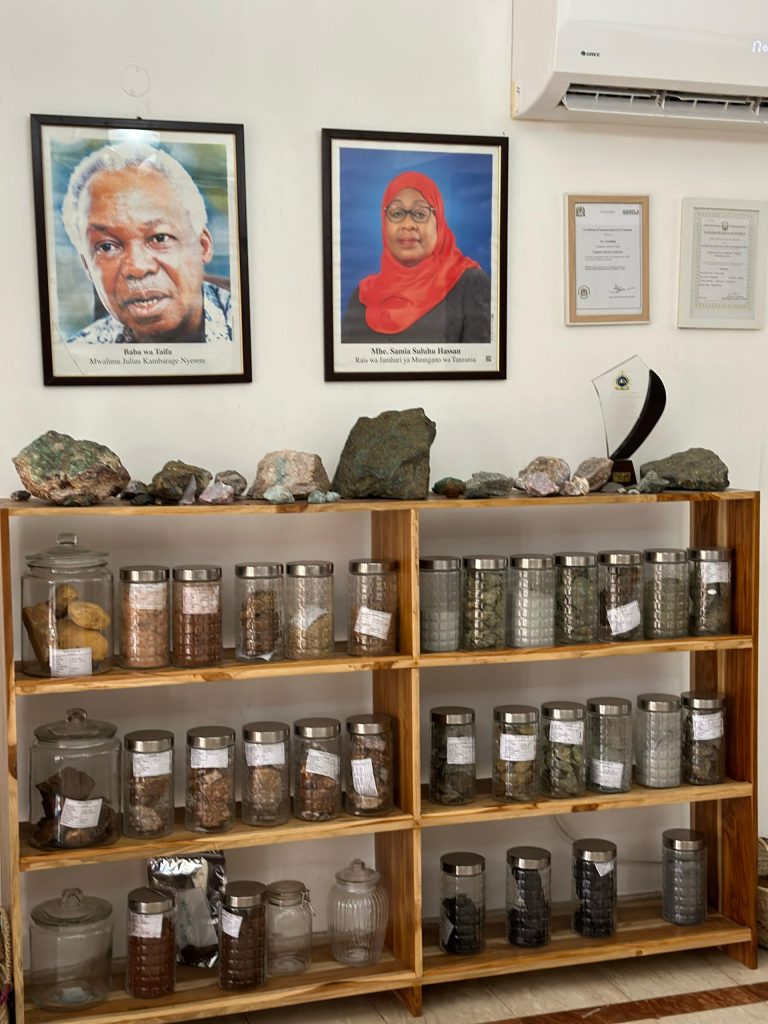
Knowledge Sharing at Baridi Group Offices
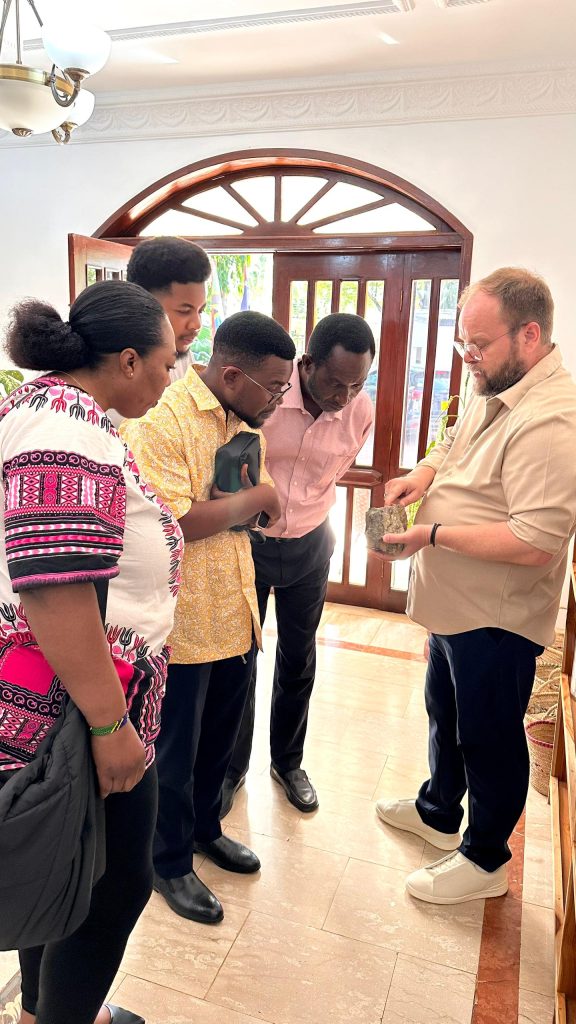
At Baridi Group Ltd, we believe that knowledge is one of the most valuable resources in the mining industry. That is why every visitor who walks into our offices receives more than just a warm welcome, they also gain valuable insights into our operations, our values, and our vision for the future. Our team has made it a priority to create a culture of openness and transparency where education is at the center of our engagement with stakeholders.
Why Local Collaboration Matters
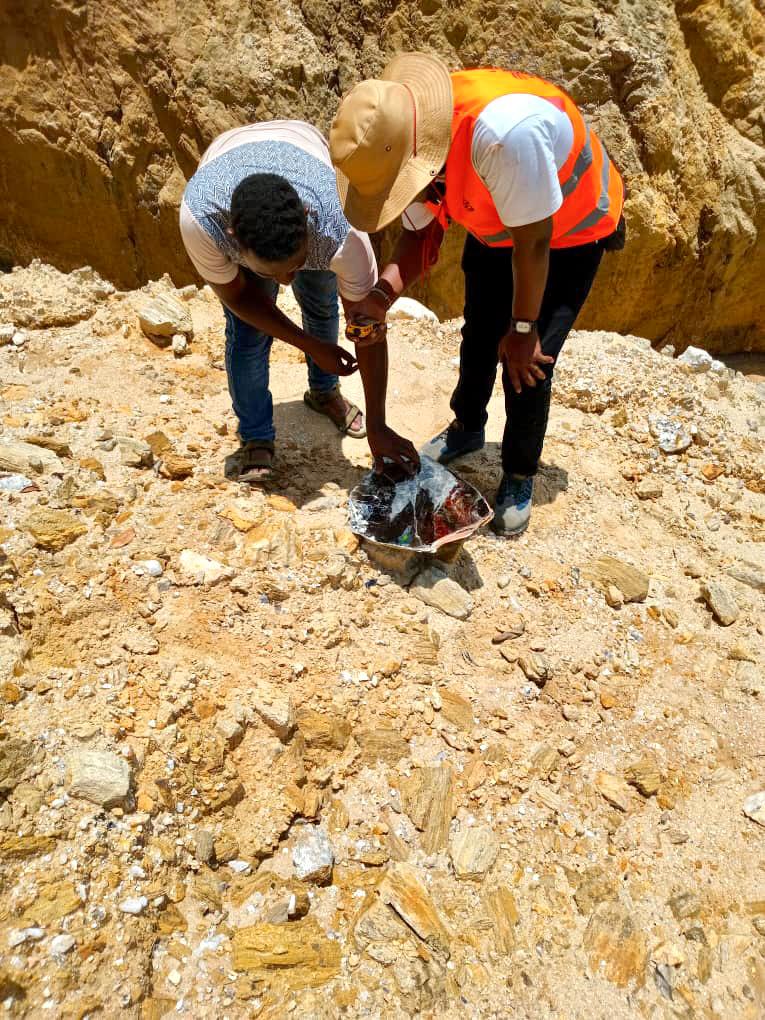
We believe that meaningful progress in the mining sector can only be achieved through strong local collaboration. Our partnerships with regional stakeholders including local miners, service providers, communities, and government agencies are the foundation of our long-term success and sustainable impact.
Here’s how local collaboration is driving our mission forward:
Empowering Artisanal and Small-Scale Miners (ASMs): We work closely with local miners to provide technical support, safety training, and access to better markets. By formalizing and uplifting their work, we help unlock greater value for all parties involved.
Local Supplier Engagement: From equipment to logistics and food services, we prioritize working with Tanzanian owned businesses to ensure that mining revenues circulate within the local economy.
Government & Regulatory Alignment: By maintaining transparent relationships with local and regional authorities, we ensure compliance, trust-building, and shared development goals that benefit both the industry and the nation.
On the Ground: Inside Baridi Group’s Operations
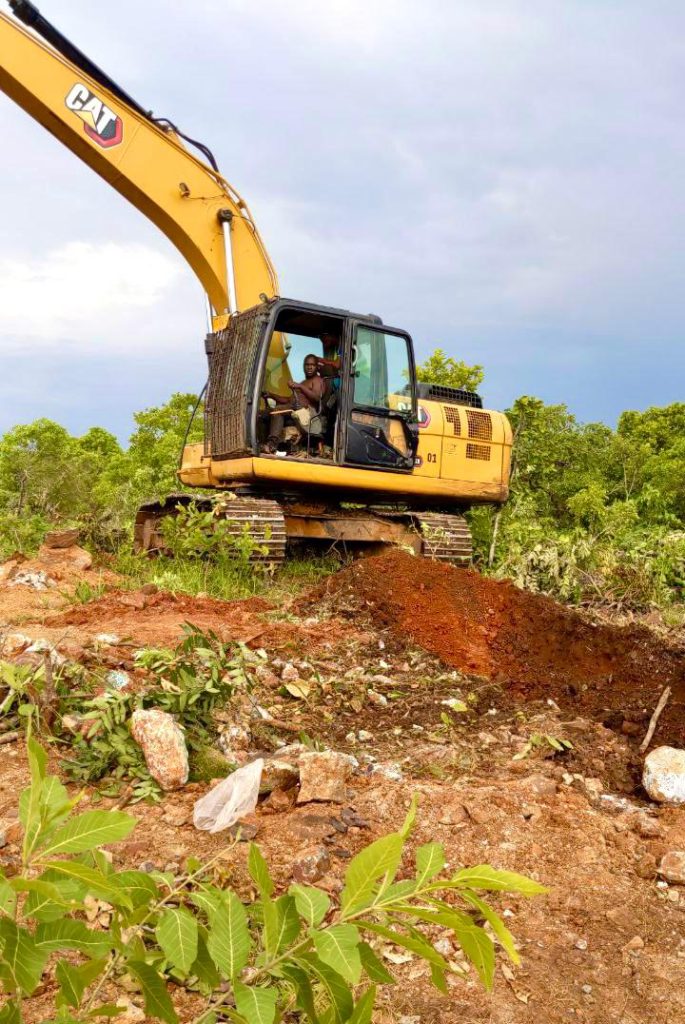
Sustainability is not an option—it is a core principle that guides every step of our mining journey. We firmly believe that the future of mining depends on our ability to operate responsibly, protect the environment, and preserve natural resources for generations to come.
Our environmental commitment is reflected in every aspect of our operations. We employ eco-friendly exploration and mining practices that minimize disturbances to ecosystems and nearby communities. Land rehabilitation is a priority, and we dedicate resources to restoring mined areas through reforestation, landscaping, and soil recovery initiatives. Effective waste management is also central to our operations, with safe disposal and recycling measures in place to reduce environmental impact and maintain cleaner, safer sites.
Water conservation is another key focus. We use water efficiently and ensure the protection of water sources near our mining sites, supporting long-term sustainability for both our activities and the communities around us. In addition, we promote environmental awareness through regular training for our staff and community engagement programs, encouraging shared responsibility and a collective commitment to environmental care.
Sustainable Mining for Tomorrow
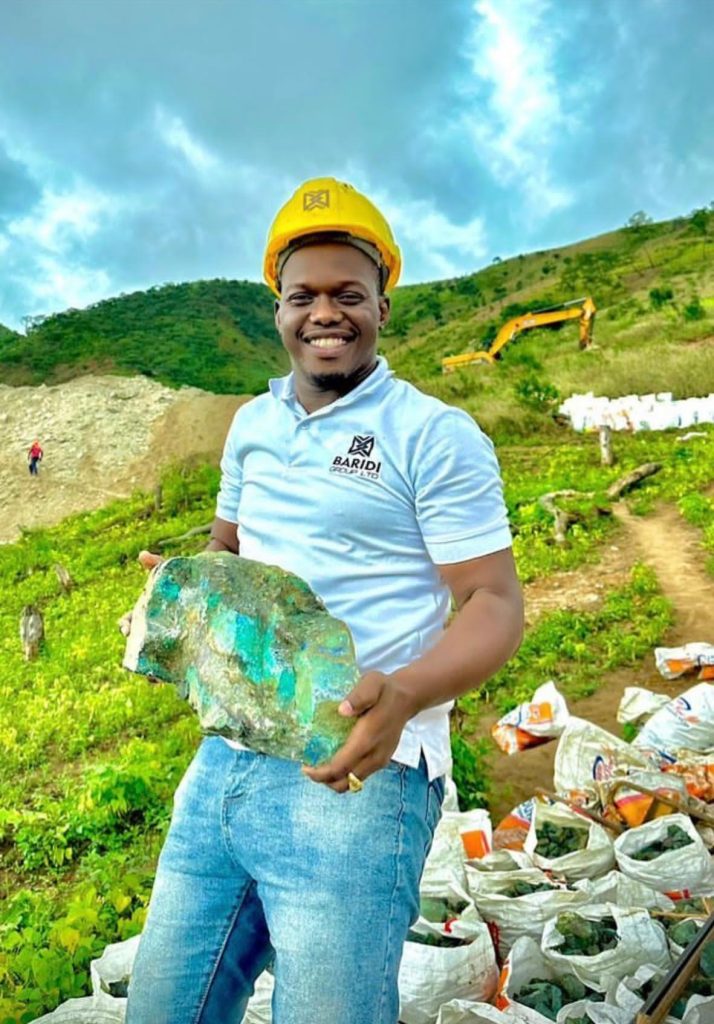
Sustainability is not an option—it is a core principle that guides every step of our mining journey. We firmly believe that the future of mining depends on our ability to operate responsibly, protect the environment, and preserve natural resources for generations to come.
Our environmental commitment is reflected in every aspect of our operations. We employ eco-friendly exploration and mining practices that minimize disturbances to ecosystems and nearby communities. Land rehabilitation is a priority, and we dedicate resources to restoring mined areas through reforestation, landscaping, and soil recovery initiatives. Effective waste management is also central to our operations, with safe disposal and recycling measures in place to reduce environmental impact and maintain cleaner, safer sites.
Water conservation is another key focus. We use water efficiently and ensure the protection of water sources near our mining sites, supporting long-term sustainability for both our activities and the communities around us. In addition, we promote environmental awareness through regular training for our staff and community engagement programs, encouraging shared responsibility and a collective commitment to environmental care.
2025 Roadmap: Vision For Growth
As we embarks on a pivotal year of transformation, our 2025 Roadmap outlines a bold strategic framework aimed at driving sustainable growth, maximizing Tanzania’s vast mineral potential, and aligning with national development goals set by the Government of the United Republic of Tanzania.
Challenges and Opportunities in Tanzania’s Mining Industry
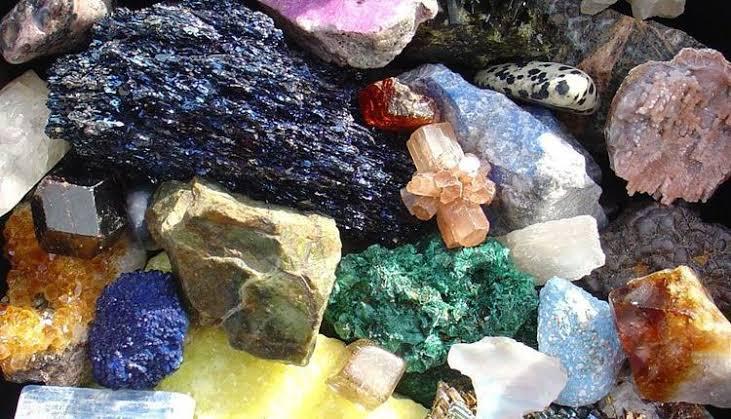
Critical minerals, including lithium, copper, nickel, cobalt, and rare earth elements, are in huge demand around the world due to rapid technological advancements and a global transition to green energy. They play a crucial role in renewable energy technologies, electric vehicles, energy storage systems, and modern electronics. Companies involved in the supply chain are seeing dynamic shifts in the market due to the struggle of industries to be sustainable.
Challenges and Opportunities in Tanzania’s Mining Industry
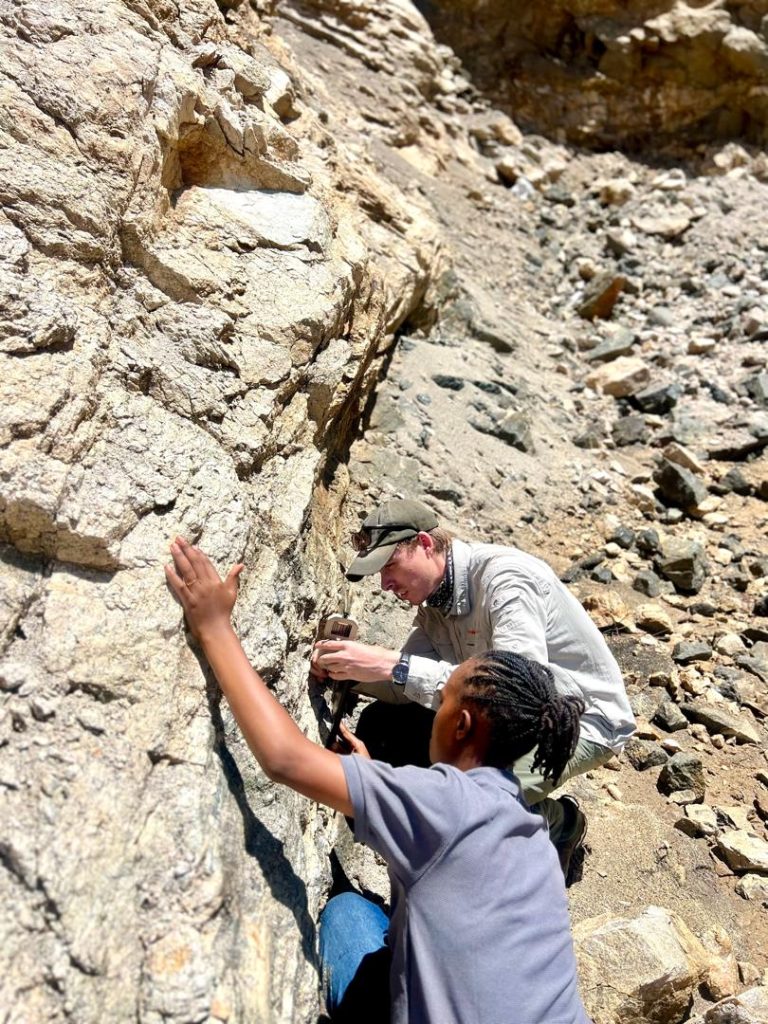
The mining industry in Tanzania has seen rapid growth over the last decade, becoming a key driver of the country’s economy. However, like many emerging sectors, it faces both significant challenges and substantial opportunities that shape its future.
The Future of Mining in Tanzania
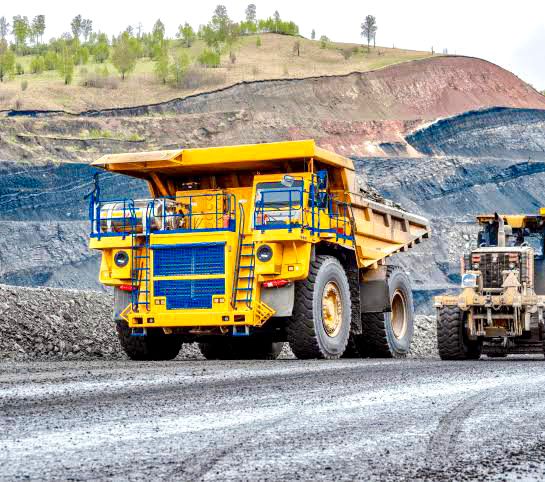
Tanzania’s mining sector holds significant promise due to the country’s rich natural resources, including minerals such as gold, copper, beryllium, coal, nickel, and rare earth elements. In recent years, Tanzania has emerged as one of the key mining hubs in Africa, attracting both domestic and foreign investments. With strategic initiatives from the government and private stakeholders, the future of mining in Tanzania looks poised for growth.
One of the most notable trends is the increased demand for critical minerals. The global shift toward renewable energy and electric vehicles has led to a surge in the need for minerals such as lithium, cobalt, and nickel. Tanzania is well-positioned to meet this demand with its abundant resources. As the world seeks to reduce carbon emissions, the country’s deposits of lithium and nickel can play a vital role in the energy transition.
Critical Minerals in Modern Technology
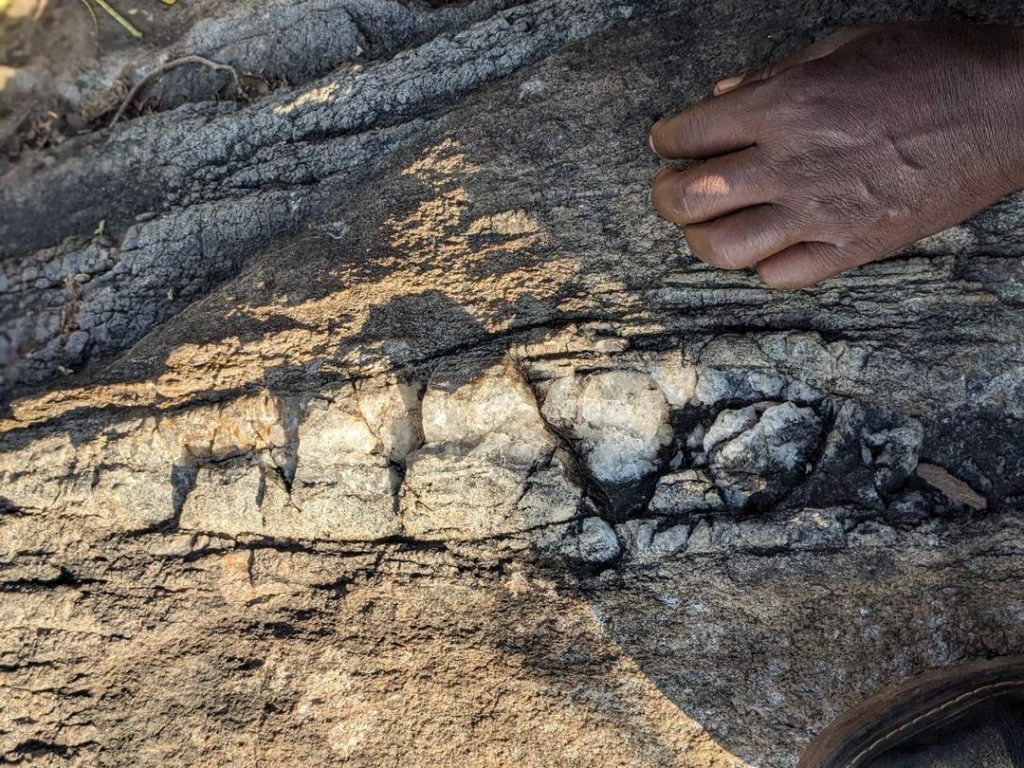
Baridi Group Ltd. is making significant strides in our exploration efforts in the Katavi area of Tanzania. Our dedicated research team has identified economically promising copper deposits, with surface stones showing impressive copper readings of up to Cu(9%).
Key Highlights:
– Extensive surveys along riverbanks have revealed copper-rich stones right at the surface.
– Advanced inductive polarisation tests conducted by professionals confirm structure of the Copper veins and the potential deposit quantities in our new locations.
These discoveries highlight once again the tremendous opportunities in Tanzania and reinforce our commitment to developing sustainable processing and value addition that benefit the local economy.